
Soul Fitness
On retreats, relationships, and remembering how to feel again.
By: Lana Alexander / Photography by: Paris Toribio
New York can do wonders for you.
It can sharpen you, stretch you, teach you velocity.
It can also wound you.
To live in a city that moves at that speed — competitive, intellectual, constantly optimising — requires a certain armour. You toggle between strategy and survival. You learn to respond quickly. You become efficient.
But rarely do you become soft.
Modern urban life, especially in cities like New York, can quietly exhaust the feminine in all of us — not in a gendered sense, but in an energetic one. The receptive. The intuitive. The heart-led.
Striving to succeed in an urban environment demands that you balance multiple identities at once: professional, partner, friend, creator, provider. And in that juggling act, intimacy often becomes another task to manage rather than a place to rest.
This is why the rise of retreats feels less like a trend and more like a necessity.
According to Vogue, digital detox is becoming the new status symbol — not because it is fashionable, but because being unreachable has become a rare luxury. Meanwhile, Condé Nast Traveller recently framed human connection as the new frontier of wellness travel. The shift is clear: wellness is moving from optimisation to communion.
And that is where Marmeli enters the story.
The Call
MARMELI is a three-night retreat designed for couples and singles seeking attunement in intimate relationships. But what drew us in was not just the programming. It was the intention.
“We speak the language of music,” they wrote. “And we want to share our personal path to our bond.”
The retreat is facilitated by Mel Semé and Marta Cascales Alimbau — two musicians whose artistry precedes them. We listened to their music before we ever stepped into the container.
What we experienced surpassed expectations.
The Container
Marmeli is built on a framework of three pillars:
Communication. Commitment. Connection.
But what unfolded was not theoretical. It was embodied.
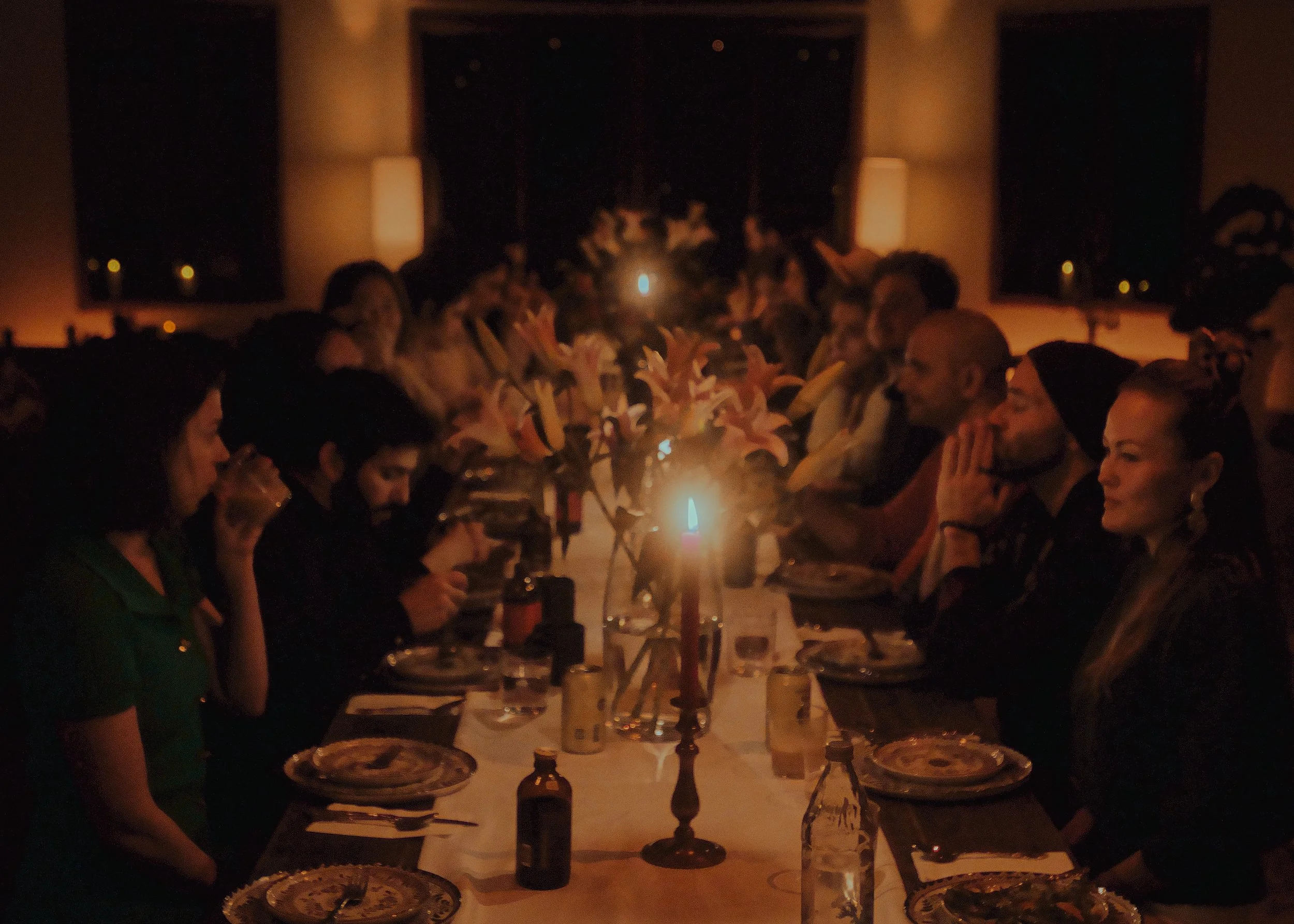
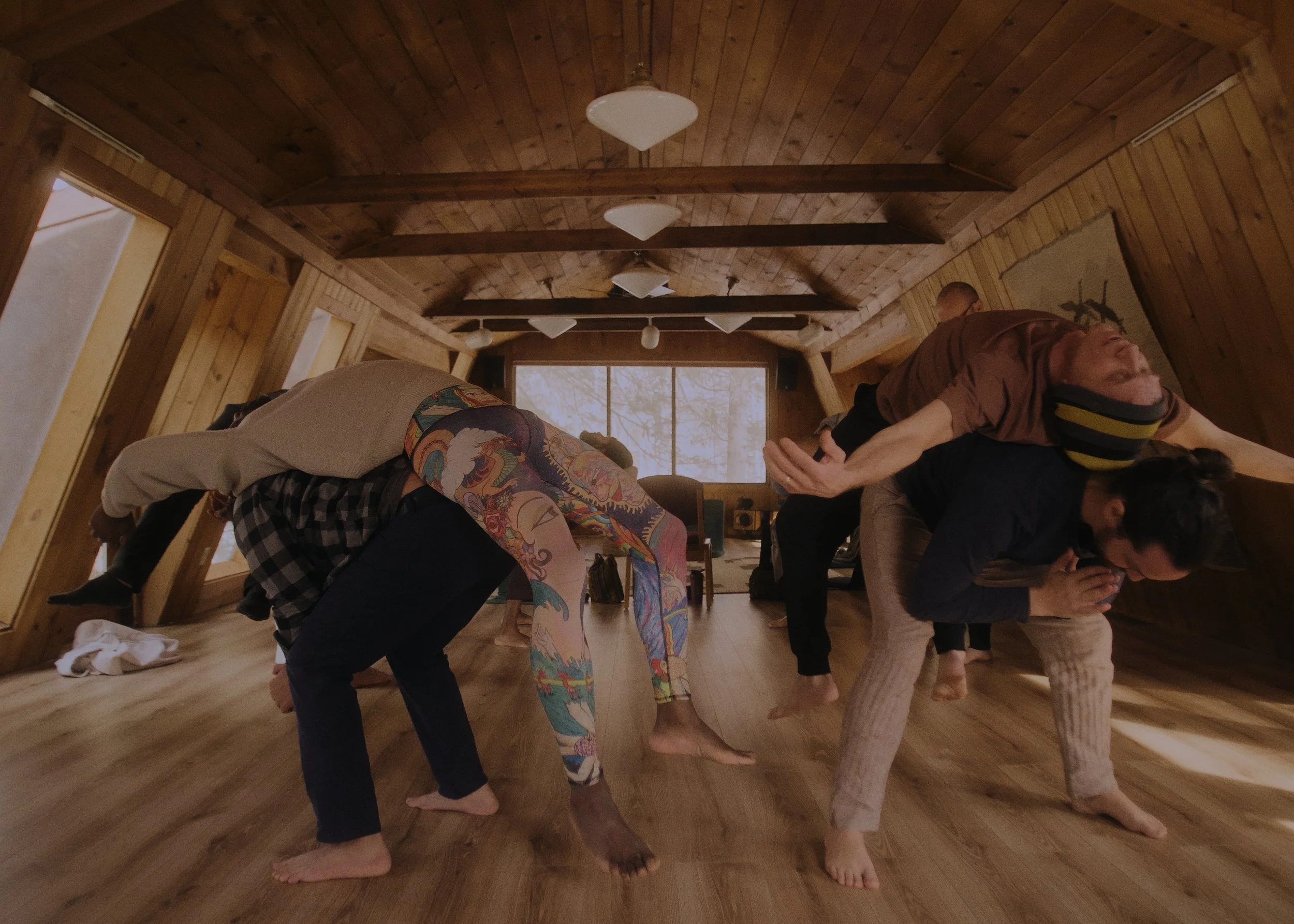
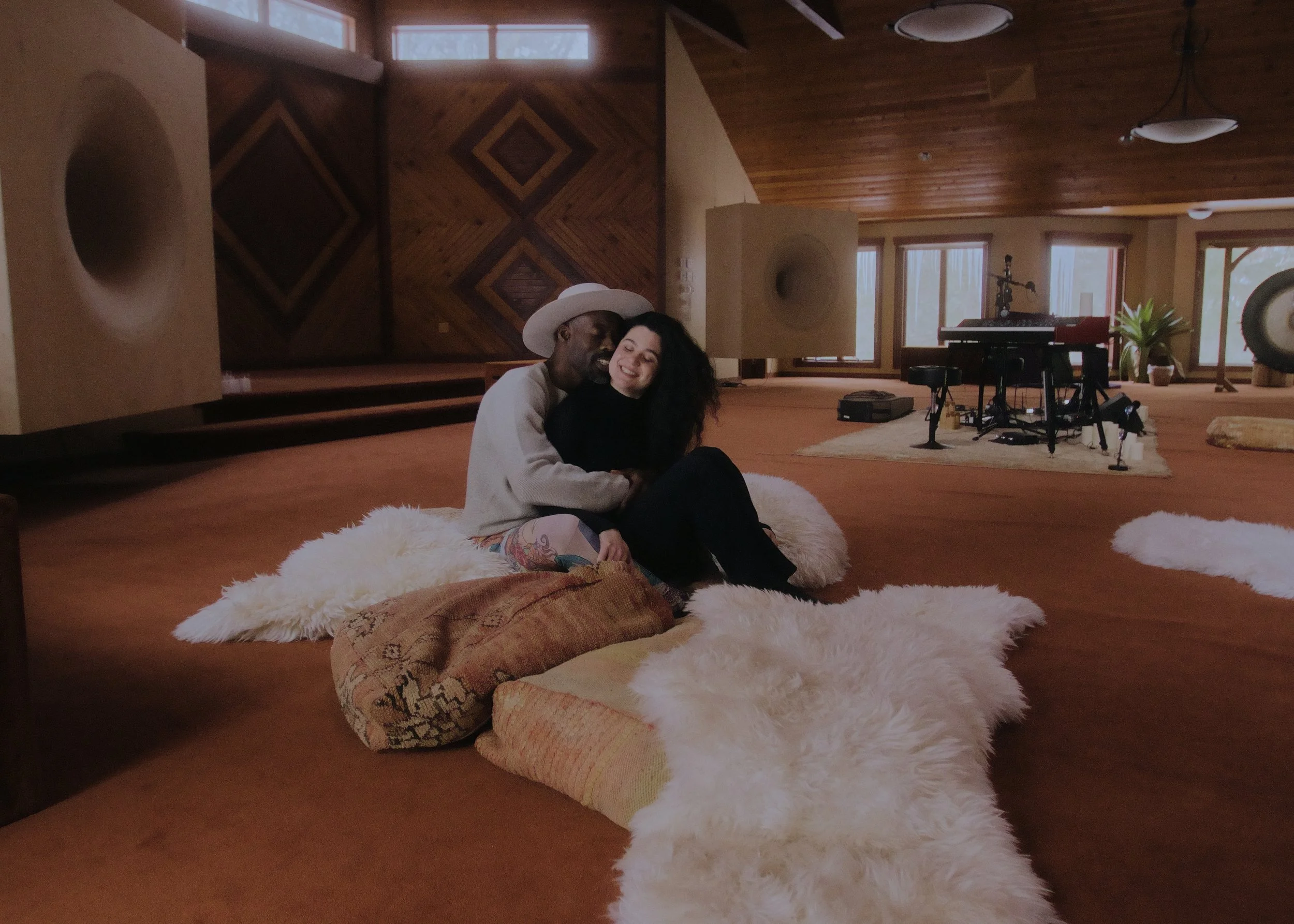
Through Ágora Talks, men’s and women’s circles, forest walks, sauna rituals, silent dinner, breathwork, dance, and Marta’s signature Piano Bath, the weekend invited participants to move between intellect and heart — again and again.
On the third day, conversations turned toward modern masculinity and modern femininity. What are we longing for from one another? How do we coexist — and harmonise — in a polarised world?
In separate circles, men spoke of protection, responsibility, and the pressure to lead. Women voiced exhaustion — “the divine feminine is exhausted” — naming the weight of constantly holding emotional labour in fast-paced urban environments.
Then the groups reunited.
There was no battle of the sexes.
There was curiosity.
Questions were asked without accusation.
Listening replaced fixing.
Repair was normalised.
The container Mel and Marta created was wide enough to hold vulnerability without collapse. Participants spoke openly — about fear, about longing, about patterns that have followed them for years.
And through it all, music moved quietly beneath the dialogue.
Music as Regulation
Marmeli’s approach is simple, yet deeply effective:
Receive. Share. Embody.
Music bypasses the analytical mind. It travels directly to the nervous system. It creates coherence where words cannot.
During the silent dinner, presence became palpable. During the Piano Bath, something softened collectively. Breath synchronised. Shoulders dropped. Hearts opened.
One realisation became clear:
The heart has an infinite capacity for expansion.
It is never “too much” to grow it further.
For many of us — especially those navigating demanding cities — sensitivity becomes something to mute. You're numb to function. You intellectualise to protect yourself.
Retreat becomes the space where that protection can dissolve.
Stepping Outside the Armour
There is something powerful about entering an environment where you are both perceiving and being perceived — without performance.
Sharing personal stories without polish.
Admitting disconnection.
Allowing yourself to be witnessed in uncertainty.
It reshapes you.
What I learned about myself is how easily I disconnect — how quickly logic can override loving awareness. Being sensitive in the city can feel like a liability. So you harden.
A retreat reminds you that softness is strength.
The “Marmalade” Effect
There is something about Mel and Marta that cannot be replicated through programming alone.
It is not just curated experiences.
It is their frequency.
Their love — tangible, embodied — feels almost marmalade-like: rich, warm, slightly sticky, sweet but complex. An aroma that lingers. A fusion of ingredients transformed over time.
They pull participants into that vibration.
You leave believing — perhaps again for the first time in a while — that partnership can be intentional. That someone can stay. That repair is possible. That love is practice.
Community as Medicine
Another unexpected gift was the community itself.
Artists. Entrepreneurs. Musicians. Business owners. Seekers.
Ages ranging from 28 to 66.
The diversity of perspective deepened the conversation. You realise quickly: you are not alone in navigating relational turmoil. You are not uniquely flawed in your longing.
Retreat dissolves isolation.
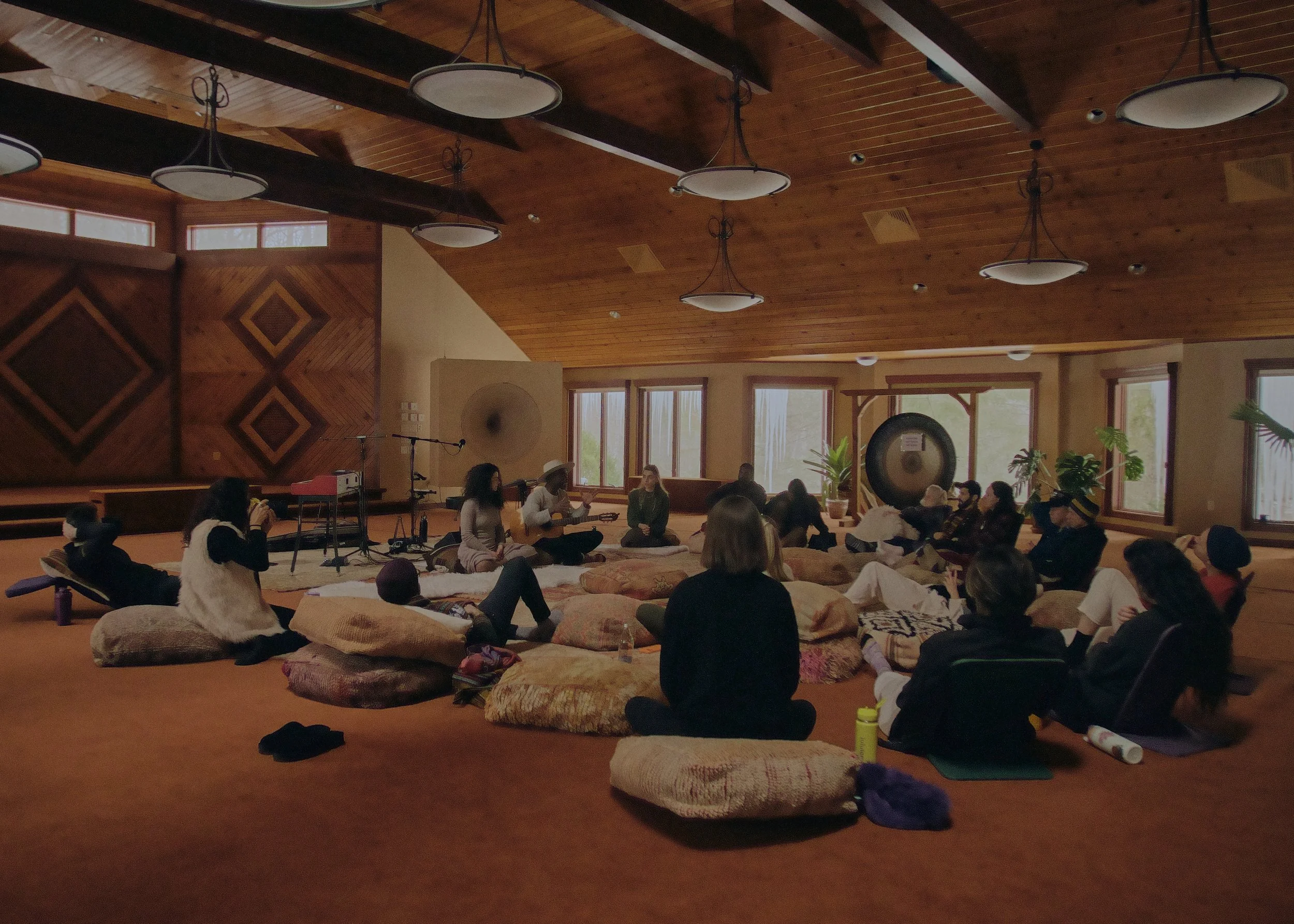
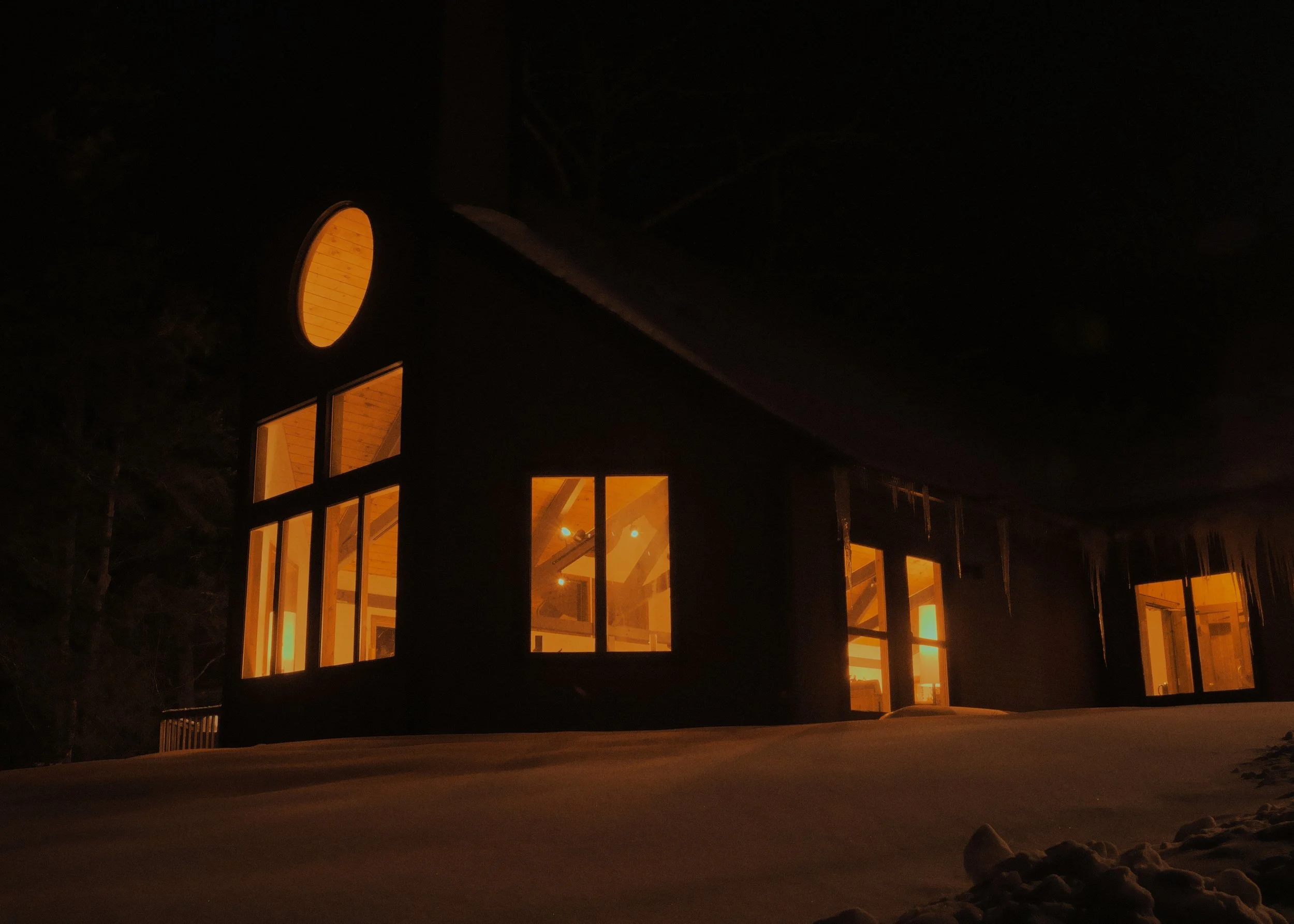
The Thyme — Architecture That Knows How to Hold Silence
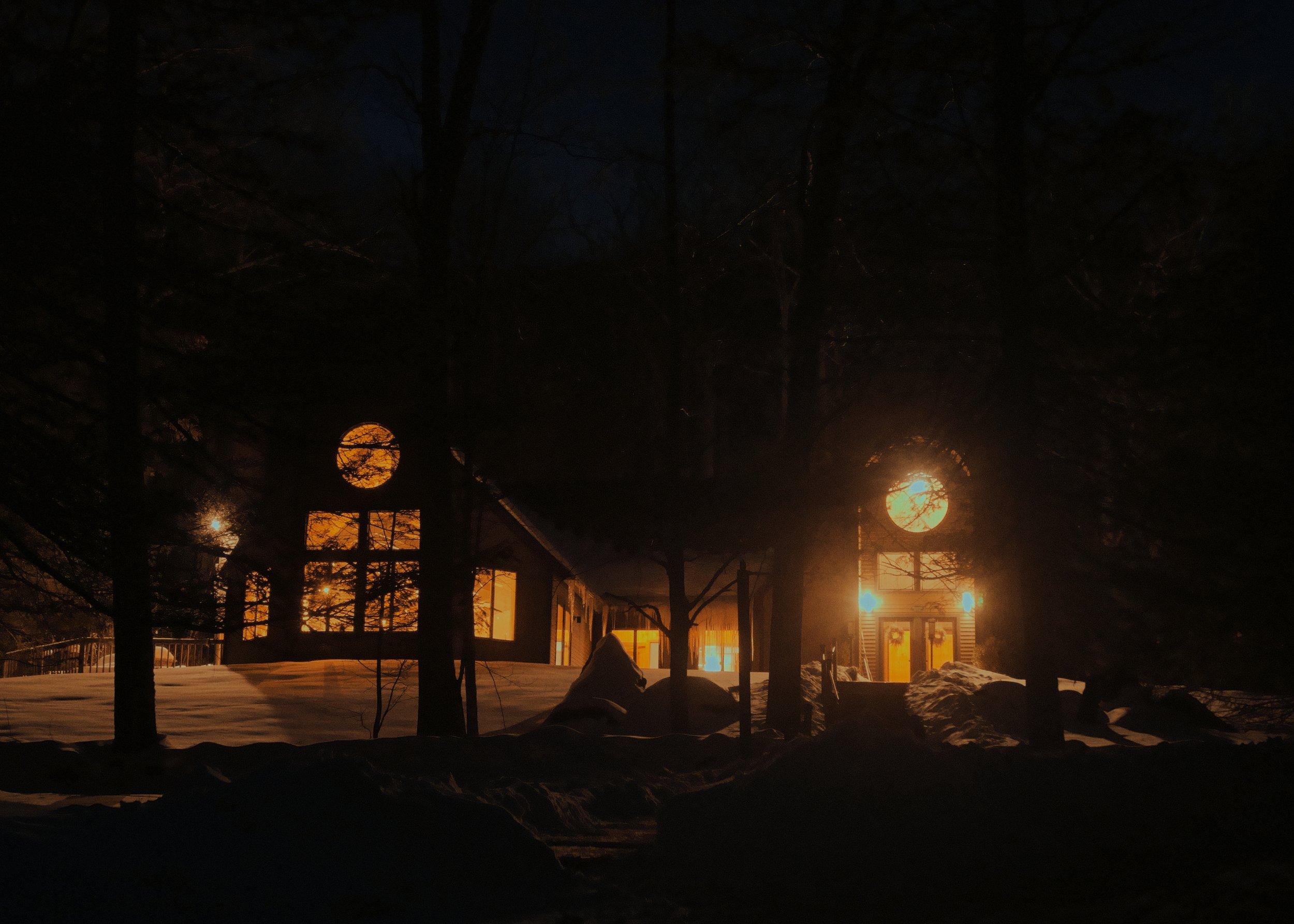
The retreat was held at The Thyme that does not announce itself loudly.
It rests in the forested landscape of the Berkshires like something that understands patience.
The Berkshires have long been associated with artistic retreat — writers, musicians, seekers escaping the density of cities for clarity and composition. The land itself feels sacred in the way Peter described it: grounding, protective, quiet without being empty.
The Thyme is intimate. Warm wood. Natural light. Spaces that invite gathering but also allow retreat.
The sauna becomes a confessional.
The forest trails — a moving meditation.
The dining table — a ceremony.
The design of a retreat space matters more than we often articulate. Research in environmental psychology consistently shows that access to nature reduces cortisol levels, lowers blood pressure, and increases emotional regulation. When you combine that with intentional programming, the space becomes an active participant.
At The Thyme, architecture did not compete with experience. It supported it.
The forest held the conversations we were not ready to speak out loud.
Why Retreats Are Rising
It is not surprising that the retreat industry is soaring.
From Vipassana meditation to luxury digital detox weekends covered in Vogue, from communal bathhouse revivals to intimacy-centred programming noted by Condé Nast Traveler the message is consistent:
People are craving reconnection — not just to themselves, but to one another.
Modern life fragments us.
Retreat re-integrates us.
Neuroscience supports this: stepping outside routine environments increases neuroplasticity. Novel settings make behavioural shifts more possible. Nature lowers cortisol. Silence recalibrates the nervous system.
Retreat is not escape.
It is recalibration.
A Personal Reflection
If physical fitness strengthens the body, and mental fitness sharpens the mind, then retreat offers something else:
Soul fitness.
The capacity to feel deeply without collapsing.
To communicate without attacking.
To commit without losing yourself.
To connect without armour.
Marmeli reminded us that love is not something you stumble upon.
It is something you cultivate — intentionally, patiently, with devotion.
And sometimes, you have to leave the city — and its beautiful, bruising pace — to remember how to feel again.
You return differently.
Softer.
Stronger.
More aware.
And perhaps most importantly — open.
At Kala Creative, this is precisely why we seek collaborations like this.
We are not simply drawn to beautiful spaces or curated experiences. We are drawn to containers that address something urgent in our culture. Loneliness is rising at historic levels. Hyper-connectivity has not translated into intimacy. We are fluent in messaging, yet often illiterate in presence.
Brands like Marmeli carry a true gift — the gift of social wellness. Of modern connection. Of frameworks that help people practice relationships rather than perform them.
Our role is to tell those stories.
To document the nuance.
To translate the feeling into language and imagery that travels beyond the forest and into the world that needs it.
Because storytelling is also a form of service.
And raising awareness around conscious connection feels less like marketing — and more like responsibility.
Thank you for reading.
Subscribe for free to receive new posts and support our work: